Save up to 20% today!
Aging Safely at Home
1/21/20261 min read

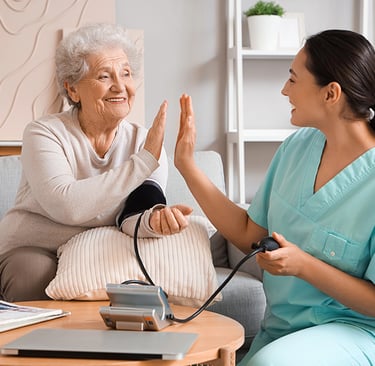
Here’s the straight truth. Aging safely at home isn’t about comfort—it’s about preventing falls, medical crises, and burnout. Most problems are predictable and fixable if you cover the basics below.
Fall Prevention (This Is #1 — Period)
Falls are the fastest way independence ends.
What’s required
Grab bars (bathroom, shower, near toilet)
Non-slip mats and flooring
Handrails on both sides of stairs
Bright lighting everywhere (especially hallways & bathrooms)
Zero clutter, loose rugs gone
Hard truth: If the house hasn’t been modified, it’s not safe—no matter how “spry” they seem.
Bathroom Safety & Dignity
The bathroom is where most injuries happen.
Must-haves:
Walk-in or low-threshold shower
Raised toilet seat or safety-height toilet
Shower chair
Night-time bathroom access (bedside commode or portable toilet)
Reality: Nighttime trips to the bathroom cause more falls than stairs.
Mobility Support
Independence depends on safe movement.
Needed:
Proper walker or cane (not a cheap, wrong-height one)
Clear, wide walking paths
Ramps if stairs exist
Chairs with arms (so they can stand safely)
Medication & Health Management
Medication mistakes quietly kill independence.
Non-negotiables:
Weekly pill organizers (or automated dispensers)
Blood pressure / glucose monitoring if needed
Telehealth access
Medical alert system (fall button)
Blunt fact: Missed or doubled meds send seniors to the ER every day.
Nutrition & Daily Living
Weak bodies fall easier.
Essentials:
Easy-to-prepare meals
Adequate protein and hydration
Adaptive kitchen tools
Meal delivery if cooking is unsafe
Cognitive & Emotional Safety
Loneliness and confusion accelerate decline.
Support includes:
Daily check-ins (family, caregiver, or tech)
Simple routines
Large-print clocks, calendars, labels
Reduced isolation
Emergency Readiness
Emergencies aren’t rare—they’re guaranteed eventually.
Must be in place:
Emergency call button
Posted emergency contacts
Working smoke & CO detectors
Clear plan for power outages and storms
Bottom Line
Aging safely at home requires planning, modifications, and support.
Ignoring any one of these areas doesn’t save money—it delays the inevitable fall, hospitalization, or forced move.
Elderly Care Info
Reliable information and practical solutions for dignified senior care.
Contact
Newsletter
info@elderlycareinfo.com
© 2026. All rights reserved.